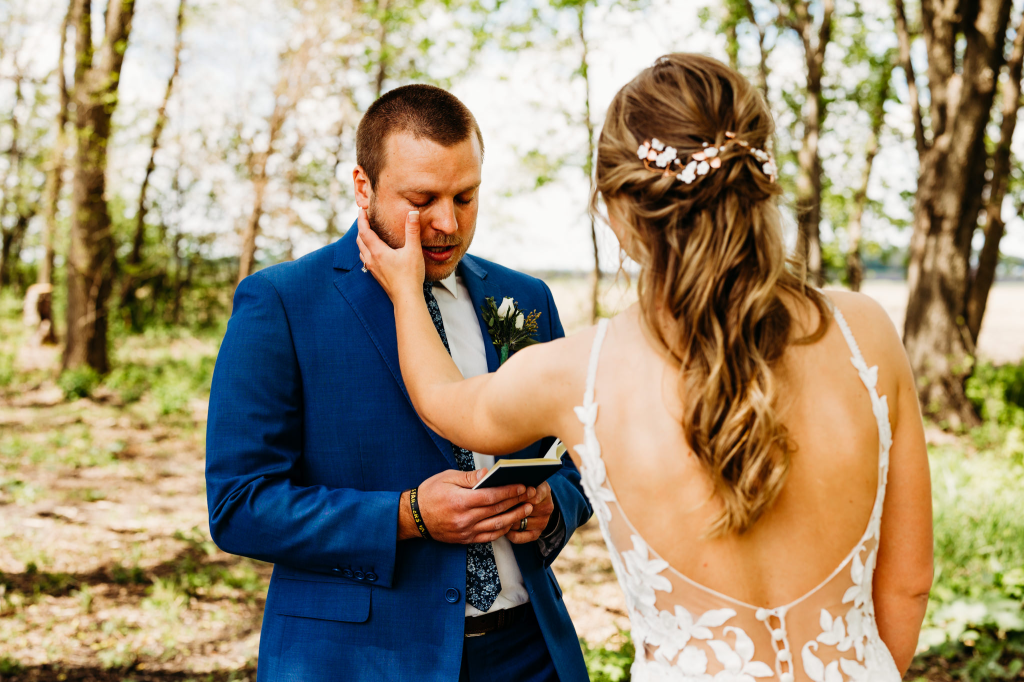
Wedding photography is about much more than just beautiful poses and perfect lighting—it’s about capturing the raw, authentic emotions that Visit this site make each wedding unique and unforgettable. The tears, laughter, stolen glances, and joyful celebrations tell the real story of the day and preserve memories for a lifetime.
For photographers, mastering the art of capturing emotion can elevate their work from good to extraordinary. For couples, understanding what creates emotional photos can help them feel more relaxed and genuine on their big day. In this article, we’ll explore practical tips, mindset shifts, and techniques to help you capture emotion in wedding photography that truly resonates.
Why Emotion Matters in Wedding Photography
Photos without emotion are often forgettable. They may show a well-composed scene but lack the feeling that draws viewers in. Emotion connects us to a moment and the people in it. It transforms a photo from a simple image into a timeless story.
For couples, emotional photos provide a way to relive the most intimate and joyful moments of their wedding day. For photographers, these images showcase their ability to tell authentic stories, making their portfolio stand out.
- Build Rapport and Trust with the Couple
The foundation of capturing genuine emotion begins long before the wedding day. Building a comfortable and trusting relationship with your couple helps them relax and be themselves in front of the camera.
Meet in advance: Use engagement shoots or consultation meetings to get to know their personalities and how they express emotions.
Communicate openly: Explain your approach and encourage them to share their feelings about the day.
Be empathetic: Understand that weddings are emotional for many reasons—support your couple emotionally and professionally.
When couples feel safe and understood, their emotions flow naturally, making your job much easier.
- Anticipate Moments
Emotional moments often happen in a blink—they’re candid, unscripted, and fleeting. As a photographer, anticipating when these moments will occur is key.
Know the wedding flow: Familiarize yourself with the ceremony order, speeches, and key moments.
Stay attentive and alert: Watch guests’ faces, body language, and interactions.
Be ready with your camera: Keep your settings optimized and hands steady to capture moments quickly.
For example, tears often appear when a couple exchanges vows or when a parent gives a heartfelt speech. Being prepared allows you to capture these raw emotions rather than missing them.
- Focus on Facial Expressions and Body Language
Faces are the most obvious emotional indicators, but body language tells just as much of the story.
Look for subtle cues: A gentle squeeze of the hand, a reassuring hug, or a shy smile can convey deep feelings.
Use close-up shots: Zooming in on expressions reveals vulnerability and intimacy.
Capture interactions: Photos of couples, families, and friends connecting often reveal the strongest emotions.
Avoid overly posed images and instead seek moments where your subjects are truly in the moment.
- Use Natural Light to Enhance Mood
Lighting plays a huge role in conveying emotion. Soft, natural light often enhances warmth and intimacy, while harsh lighting can feel more dramatic or clinical.
Shoot during golden hour: The warm light before sunset naturally adds a romantic glow.
Use shade and diffused light: This creates gentle highlights and flattering shadows.
Avoid distracting flash: When possible, use natural or ambient light to maintain the emotional mood.
Good lighting helps reinforce the feelings captured and elevates the emotional impact of your photos.
- Capture the Environment and Details
Emotion isn’t just in faces—it’s also in the setting and small details that evoke memories and feelings.
Shoot the venue and décor: These set the emotional tone of the wedding.
Focus on meaningful details: The bride’s family heirloom, a hand-written vow, or the groom’s tear-filled eyes.
Include candid guest reactions: Grandparents wiping away tears, kids laughing, or friends sharing jokes.
These elements enrich the story and provide context for the emotions displayed.
- Be Patient and Observant
Sometimes the best emotional shots come from waiting quietly and observing rather than rushing to stage or direct.
Stay in the background: Let moments unfold naturally.
Shoot continuously: Use burst mode during key moments to catch the perfect expression.
Trust your instincts: If you feel something emotional is about to happen, be ready.
Patience often leads to those priceless, authentic images that feel timeless.
- Encourage Genuine Interaction
When working with couples or groups, encourage real interaction rather than stiff poses.
Ask simple prompts: “Look at each other and think about your first date,” or “Share a secret or inside joke.”
Create moments: Suggest a slow dance, a whispered message, or a casual walk.
Let laughter flow naturally: Sometimes humor breaks the tension and creates joyful expressions.
These techniques help people drop their guard and reveal their true feelings.
- Post-Processing with Emotion in Mind
Editing is the final step where you can enhance emotional impact.
Use warm tones: Soft, warm color grading increases intimacy.
Avoid over-editing: Keep skin natural and preserve genuine expressions.
Highlight eyes and expressions: Slight sharpening or brightening can draw attention to the soul of the photo.
Remember, the goal is to amplify the feelings already present, not create artificial emotion.
Final Thoughts
Capturing emotion in wedding photography is about much more than technical skill—it’s about connection, empathy, and storytelling. By building trust with your couple, anticipating heartfelt moments, focusing on authentic expressions, and using light and environment thoughtfully, you can create images that resonate deeply and stand the test of time.
For couples, embracing genuine moments and letting go of stiff posing allows their true love and happiness to shine through, making their wedding photos treasured keepsakes.
 Site Title
Leave a comment